



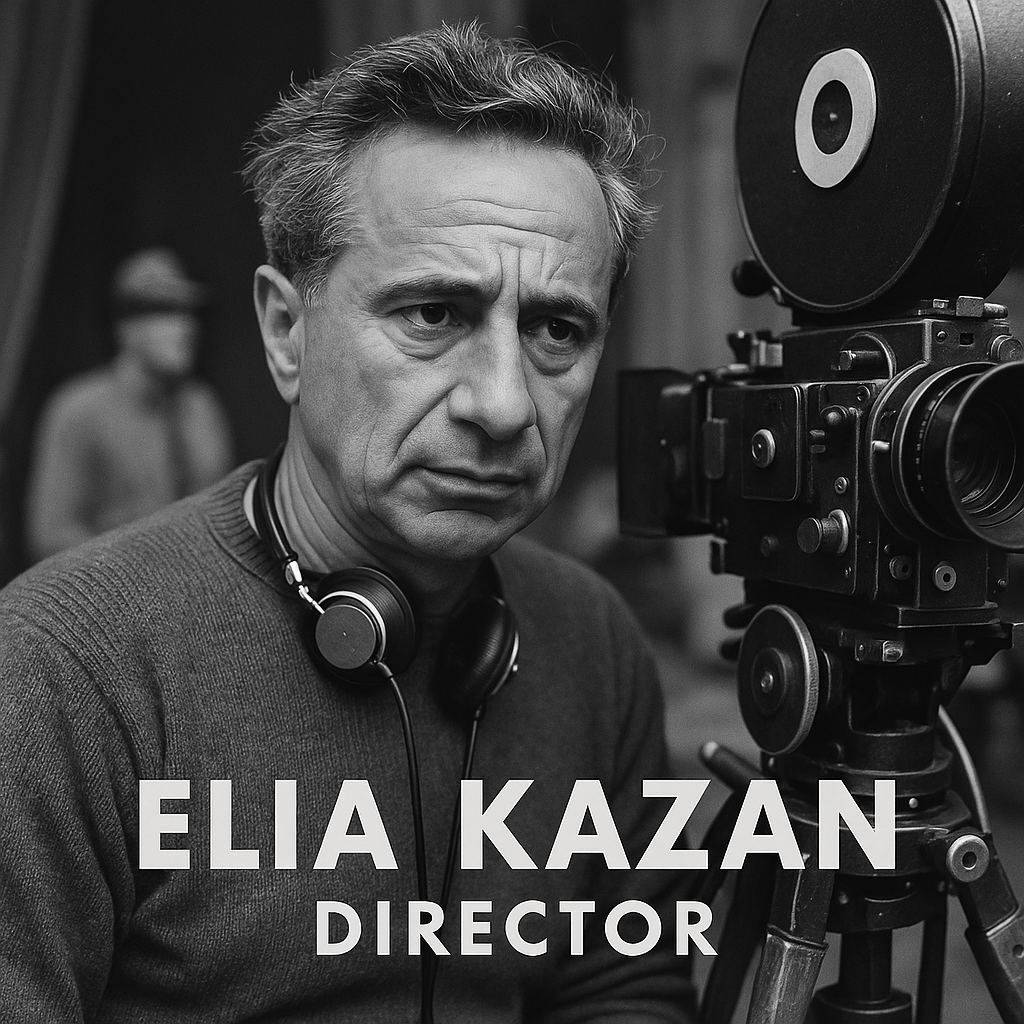
The Elia Kazan Quiz
Play our quiz about the director Elia Kazan. 15 quiz questions about Elia Kazan, american director, producer, and actor influential in 20th-century cinema.



Elia Kazan: A Revolutionary Force in American Cinema
Introduction
Elia Kazan stands as one of the most influential and controversial figures in twentieth-century American cinema and theater. Known for his powerful storytelling, innovative direction, and ability to elicit remarkable performances from actors, Kazan left an indelible mark on both Broadway and Hollywood. From the 1940s to the early 1960s, his creative vision not only shaped the artistic landscape but also stirred debates that still resonate with scholars and artists today.
Description
Born in 1909 to Greek parents in the Ottoman Empire, Elia Kazan immigrated to the United States at a young age. His early exposure to the immigrant experience deeply influenced his later works, many of which explored themes of identity, class, and social justice. Kazan started his career as an actor with the influential Group Theatre before turning to direction, where he found his true calling.
Kazan’s breakthrough came with the stage version of Tennessee Williams’s A Streetcar Named Desire in 1947, a production that debuted Marlon Brando as a major new talent. He would later direct the film adaptation, which, along with On the Waterfront and East of Eden, showcased Kazan’s unparalleled skill at working with actors, particularly those trained in Method acting. His collaborations helped launch and define the careers of some of Hollywood’s greatest stars, including James Dean, Eva Marie Saint, and Karl Malden.
Throughout his career, Kazan was known for his commitment to realism and social issues. His films often tackled pressing subjects such as corruption, disillusionment, and the American Dream, resonating deeply with audiences. However, his legacy is also tied to controversy, especially regarding his testimony before the House Un-American Activities Committee during the Red Scare, when he named former colleagues as Communists. This act led to debates about ethics, loyalty, and artistic freedom that continue to follow his name.
Conclusion
Elia Kazan remains a central yet divisive figure in the story of American theater and film. His pioneering approach to staging and directing, as well as his focus on nuanced, human stories, helped redefine what was possible on both stage and screen. While his political actions added complexity to his reputation, his artistic achievements cannot be understated. Elia Kazan’s influence persists in the style of modern actors and directors, maintaining his position as a truly revolutionary force in the arts.
Download our App Now!
Join the ranks of true trivia champions and quench your thirst for knowledge with Masters of Trivia – the ultimate quiz app designed to test your wits and unlock a world of fun facts.
Challenge your brain, compete with friends, and discover fascinating tidbits from diverse categories. Don't miss out on the exhilarating experience that awaits you – get started now!