



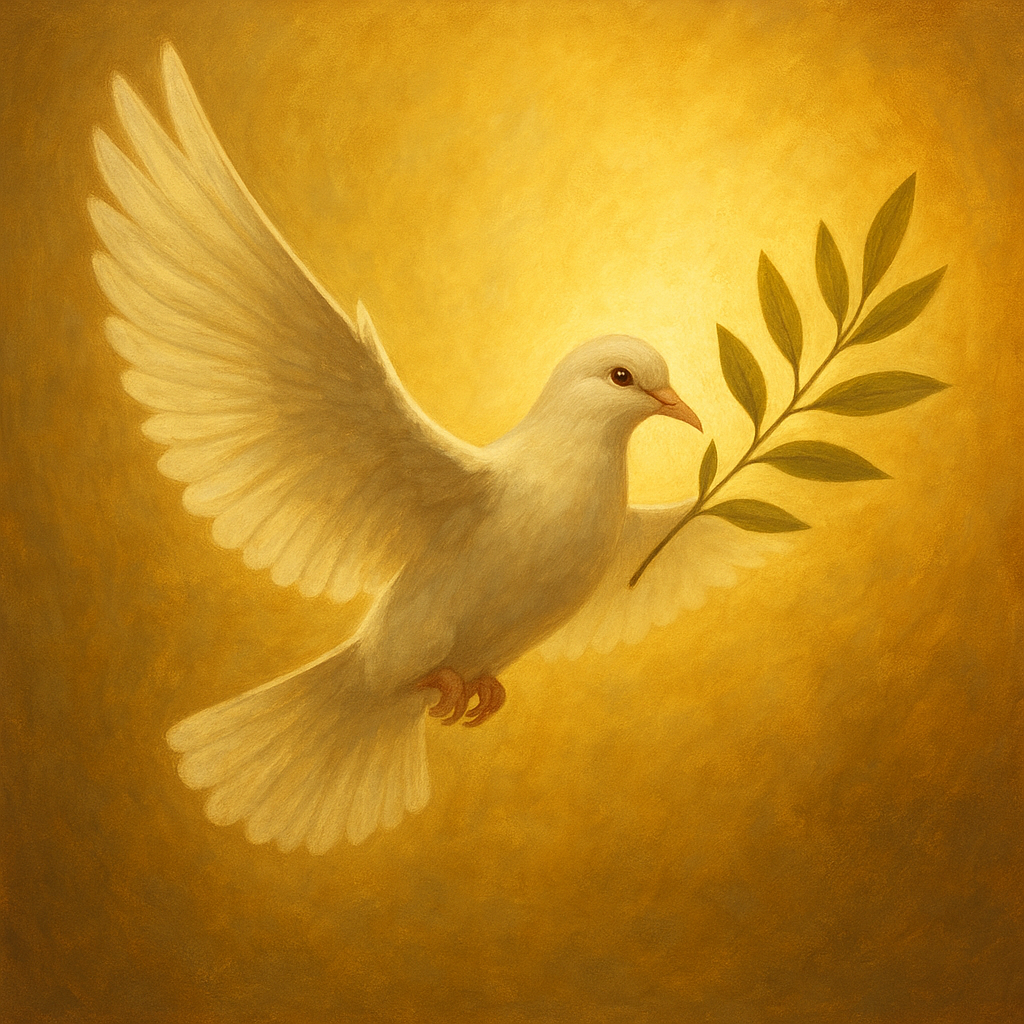
The Nobel Peace Prize Quiz
Test your knowledge of the Nobel Peace Prize—its history, famous laureates, and global impact in honoring those who strive for peace and reconciliation.



The Nobel Peace Prize: Honoring the Pursuit of Peace
Introduction
The Nobel Peace Prize is one of the world’s most prestigious awards, given annually to individuals or organizations that have made significant contributions to peace. Established in 1895 by Alfred Nobel, the Swedish inventor of dynamite, the prize reflects his vision of recognizing those who promote reconciliation, disarmament, and cooperation among nations. Over the years, the Peace Prize has honored diplomats, activists, humanitarian organizations, and world leaders who shaped the course of history through peaceful efforts.
Origins and Alfred Nobel’s Legacy
Alfred Nobel, despite his invention of explosives, was a committed idealist who wanted to use his fortune to benefit humanity. In his will, he designated that the Peace Prize be awarded to those who had “done the most or the best work for fraternity between nations, for the abolition or reduction of standing armies, and for the holding and promotion of peace congresses.”
Since 1901, the Nobel Peace Prize has been awarded by the Norwegian Nobel Committee, selected by the Norwegian Parliament. Unlike the other Nobel Prizes, which are awarded in Sweden, the Peace Prize is presented in Oslo, Norway.
Historic Laureates
The Nobel Peace Prize has honored a diverse range of individuals and organizations across the globe. Some of the most notable recipients include:
-
Martin Luther King Jr. (1964): Recognized for his leadership in the American civil rights movement through nonviolent resistance.
-
Mother Teresa (1979): Awarded for her lifelong mission of aiding the poor and sick in Kolkata, India.
-
Nelson Mandela and F.W. de Klerk (1993): Honored jointly for their roles in ending apartheid in South Africa and fostering national reconciliation.
-
Malala Yousafzai (2014): At 17, became the youngest laureate for her advocacy of girls’ education.
-
International Campaign to Ban Landmines (1997): Acknowledged for advancing disarmament through global treaties.
These laureates reflect the broad scope of the award, from grassroots activism to high-level diplomacy.
Controversies and Challenges
The Peace Prize has not been without debate. Some critics argue that certain awards were politically motivated or premature. For example, the prize given to U.S. President Barack Obama in 2009 sparked controversy, as it came early in his presidency. Similarly, prizes awarded during ongoing conflicts, such as to Yasser Arafat, Shimon Peres, and Yitzhak Rabin in 1994 for Middle East peace efforts, remain contested.
Nonetheless, these debates highlight the complexity of global peacebuilding and the role of the prize in sparking dialogue.
The Prize Today
In recent decades, the Peace Prize has increasingly recognized organizations addressing global issues beyond war and diplomacy, such as climate change, human rights, and humanitarian aid. Recipients like the Intergovernmental Panel on Climate Change (IPCC) and World Food Programme (WFP) illustrate how peace is interconnected with sustainability and basic human needs.
The ceremony, held every December 10 in Oslo, is marked by international attention and speeches that resonate far beyond the moment. Laureates often use the platform to amplify their causes, inspiring action and awareness worldwide.
Legacy and Global Impact
The Nobel Peace Prize is more than an award—it is a global symbol of hope. It highlights the courage of individuals and groups who dare to confront violence and injustice with dialogue, compassion, and perseverance. By shining a spotlight on these efforts, the prize continues to encourage future generations to strive for peace.
Conclusion
For over a century, the Nobel Peace Prize has recognized those who embody humanity’s highest ideals: justice, reconciliation, and unity. While sometimes controversial, its enduring legacy lies in promoting peace as a universal goal. From Martin Luther King Jr. to Malala Yousafzai, the laureates remind us that peace is not just an aspiration but a responsibility shared by all.
Download our App Now!
Join the ranks of true trivia champions and quench your thirst for knowledge with Masters of Trivia – the ultimate quiz app designed to test your wits and unlock a world of fun facts.
Challenge your brain, compete with friends, and discover fascinating tidbits from diverse categories. Don't miss out on the exhilarating experience that awaits you – get started now!